Yarivetsky
It has a low sensitivity to diseases, and contains many useful and important substances for health.


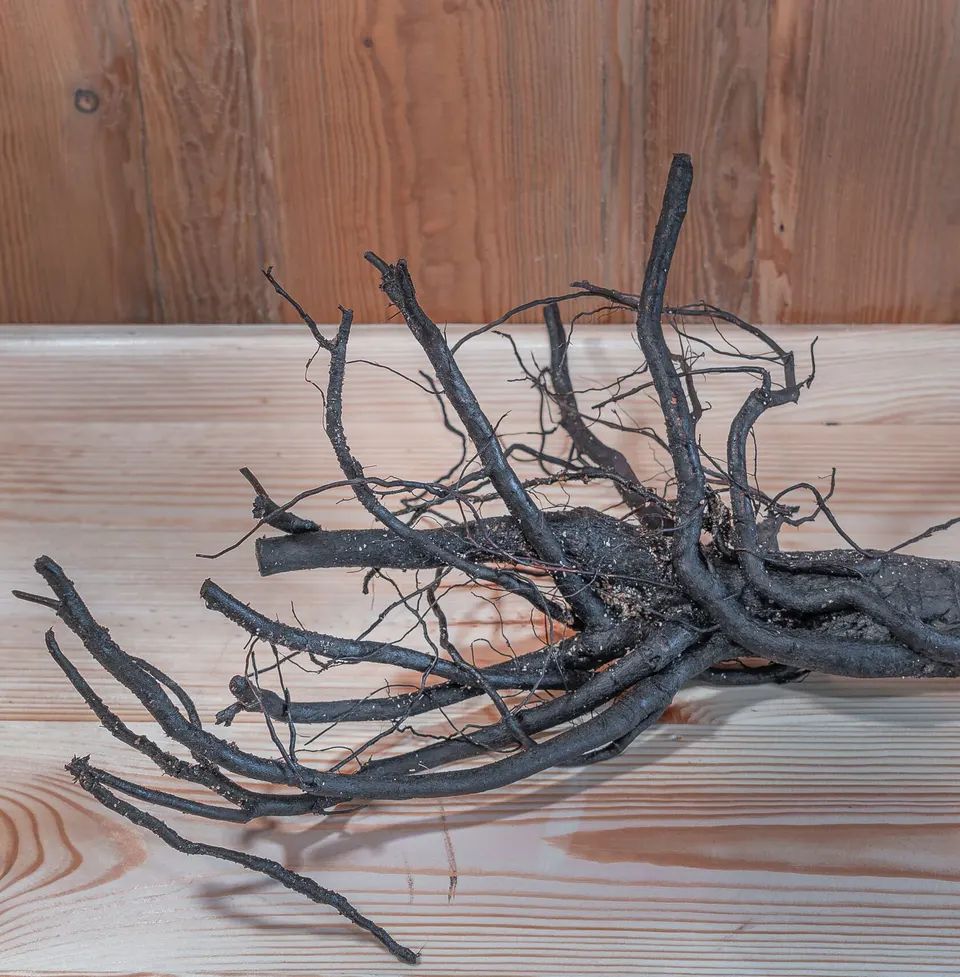
Bare root
5 €
NARROW-LEAVED LAVENDER
Narrow-leaved lavender is a classic garden lavender with an exquisite aroma and compact bush shape. The flowers are pale purple or lilac, gathered in slender spike-like inflorescences. Ideal for fragrant borders, rockeries and dry bouquets. Narrow-leaved lavender is highly winter-hardy and long-lived — it can grow in one place for up to 10 years.
Features:
Plant height: 40−60 cmFlowers: light violet to lilac, arranged in spike-shaped inflorescencesBlooming period: June — AugustFragrance: rich, classic «Provence» aromaLight requirements: full sunFoliage: narrow, silver-green leavesCold hardiness: high (down to -25°C)
Uses:
✔ Aromatizing indoor spaces and linens
✔ Dried flower arrangements
✔ Essential oil production
✔ Garden borders, mixed flower beds, rock gardens
Narrow-leaved lavender pairs beautifully with:
RosesSage and thymeEchinacea, verbena, catmintOrnamental grasses (fescue, feather grass)
Best planting time: spring or autumn
Location: sunny, well-ventilated area
Soil: light, well-drained (does not tolerate waterlogging), neutral to slightly alkaline (pH 6.5−7.5)
Spacing between plants: 30−40 cm
Watering: moderate — avoid excessive moisture
Pruning: early spring for shaping and again after flowering to encourage a second bloom
Narrow-leaved lavender is the most winter-hardy variety. It can withstand frosts down to -25°C.
Recommendations:
In autumn, carefully prune the inflorescences without touching the old shoots.
Mulch the root zone with dry leaves and spruce branches.
In particularly cold winters (without snow), cover the plant with non-woven material (agrofibre).
It has a low sensitivity to diseases, and contains many useful and important substances for health.
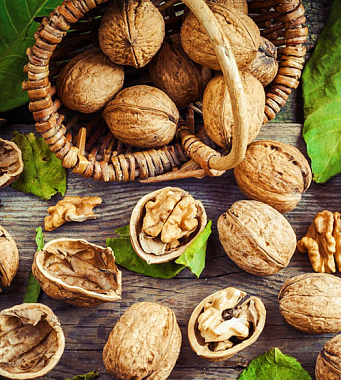
Tular attracts with its abundant yield and excellent taste of fruits, making it a welcome addition to gardens.
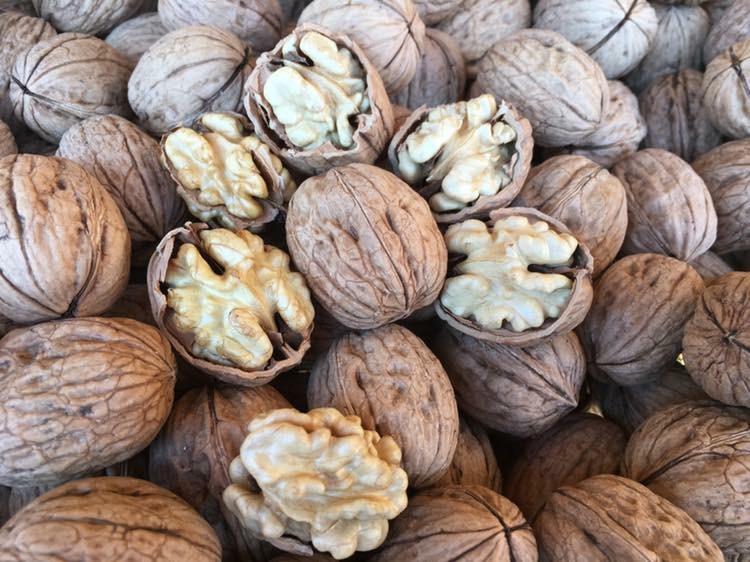
Fernette is distinguished not only by its high yield but also by the excellent quality of each fruit, making it a desirable choice for cultivation.