Scientific Activities
In addition to our primary activities, we actively participate in scientific research in collaboration with the Latvian State Institute of Wood Chemistry
Implementation of an environmentally efficient solution for weed control
Developing a biodegradable sprayable mulch incorporating walnut husk extracts enriched in allelochemicals for sustainable weed control in agriculture
The aim of the project is to develop a new sustainable, safe, and effective solution for weed control in integrated agriculture by incorporating extracts from walnut processing waste, which possess herbicidal activity, into a matrix of film-forming polymers and testing it in vegetable cultivation.
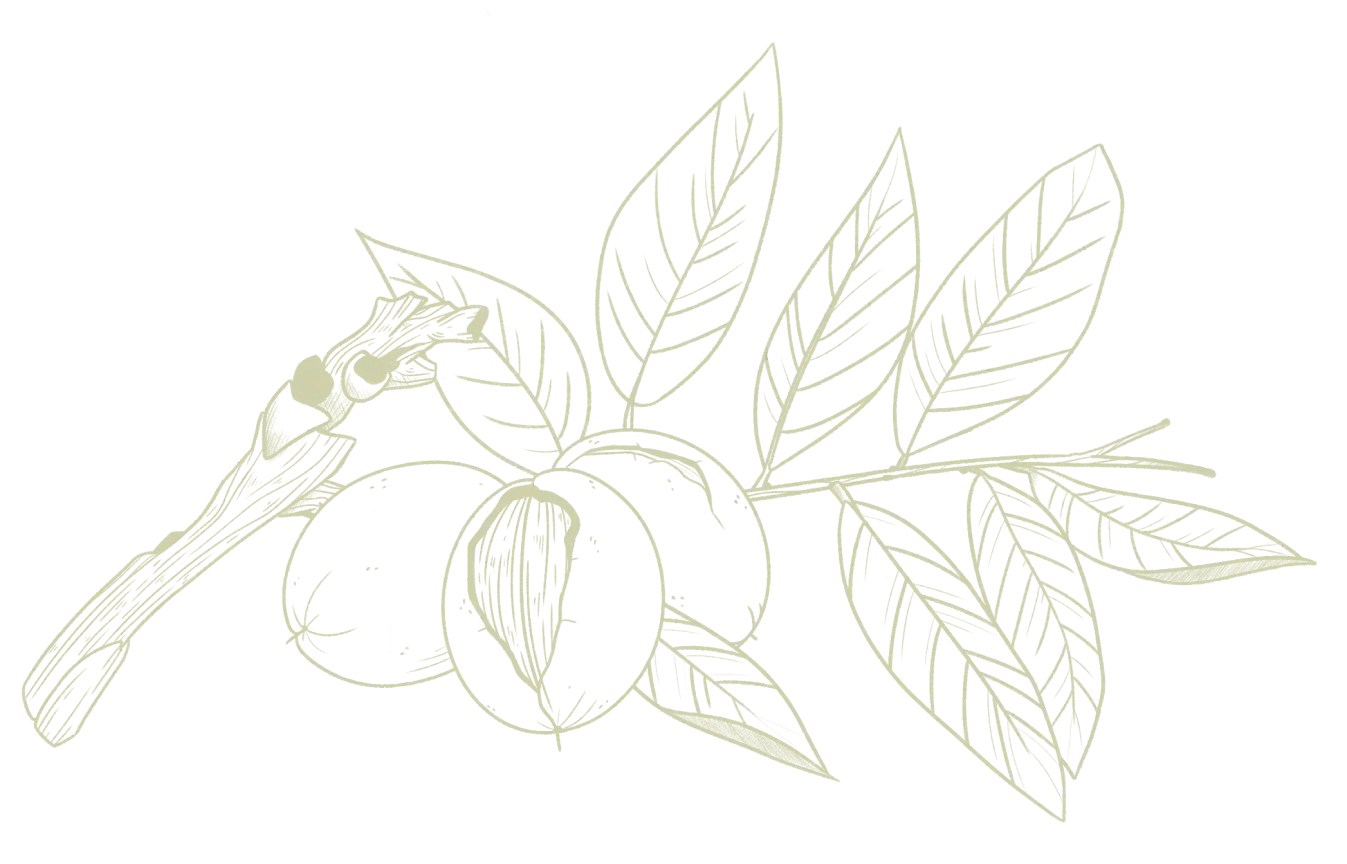
Walnut trees are known for their ability to inhibit the growth of neighboring plants due to the chemical composition of walnut biomass.
In this project, bioherbicides such as juglone will be extracted from walnut cultivation and processing waste. These bioherbicides will then be immobilized in a biopolymer matrix to prevent their dispersion in the soil and ensure selective action against weeds without harming crops.
The resulting starch-based compositions will form a protective film on the soil’s surface after spraying and drying. The combination of mechanical and chemical action will enhance weed control efficiency.
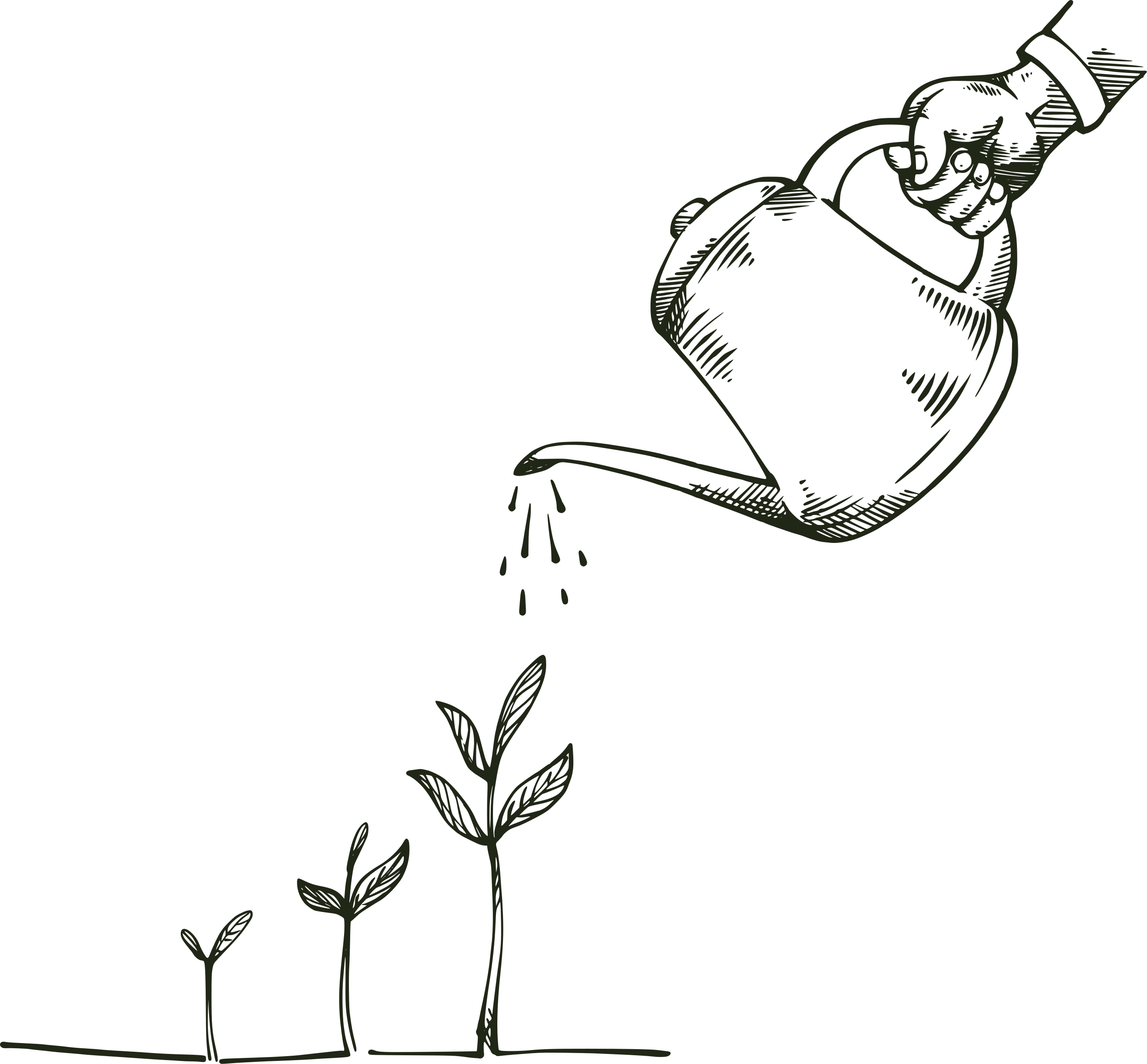
After use, this mulching film can be integrated into the soil, and its components, including bioherbicides, will break down over time into harmless compounds that do not accumulate in the environment.
Process of development
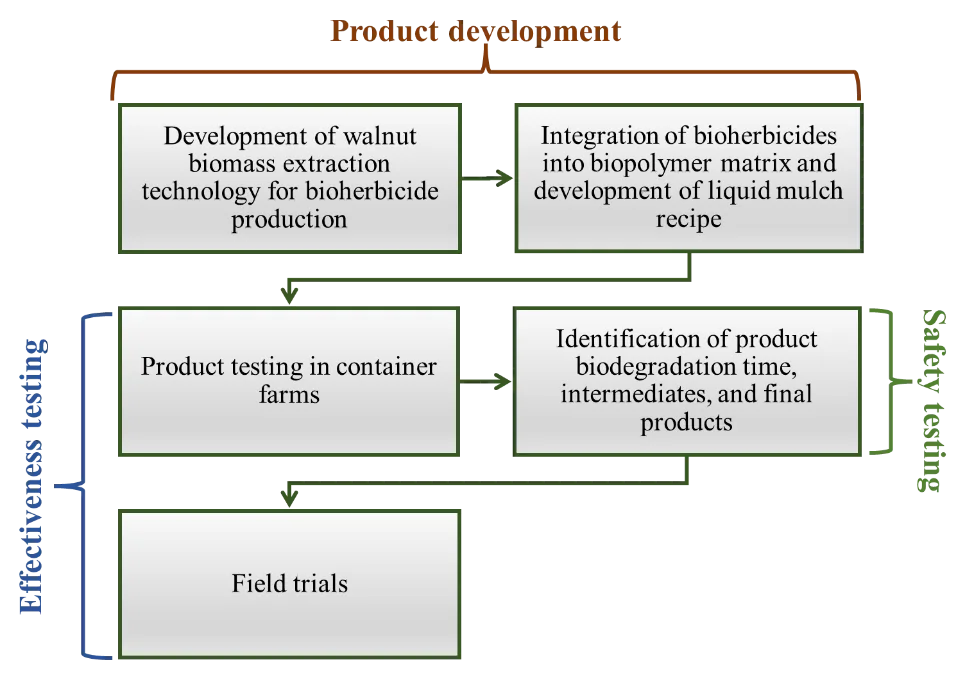
Activity
2023–2027 years
Interventions of the European Agricultural Fund for Rural Development and the Common Agricultural Policy Strategic Plan
Measure LA 16
'Support for the implementation of projects by European Innovation Partnership working groups', Activity 'EIP working group project at the sector level'
Perspectives of the project
The sprayable mulch film with integrated bioherbicides serves as an alternative to traditional soil mulching using polyethylene films and to herbicides. It offers several benefits:
- Reduces the spread of weeds, thereby increasing productivity;
- Maintains soil fertility;
- Protects soil and crops from microplastics and synthetic herbicides;
- Eliminates the need to collect and dispose the mulch films after use.
The results of this project will contribute to a key priority in the horticulture sector: «The development of plant protection and fertilization strategies for open-field vegetables and safe food production».
The developed walnut biomass extraction technology will enable walnut growers, such as WESTLAKE Ltd., to sell walnut cultivation and processing waste as raw material for bioherbicide production. This will increase the value of walnut biomass and strengthen the circular economy within the horticultural sector.
Results of the project
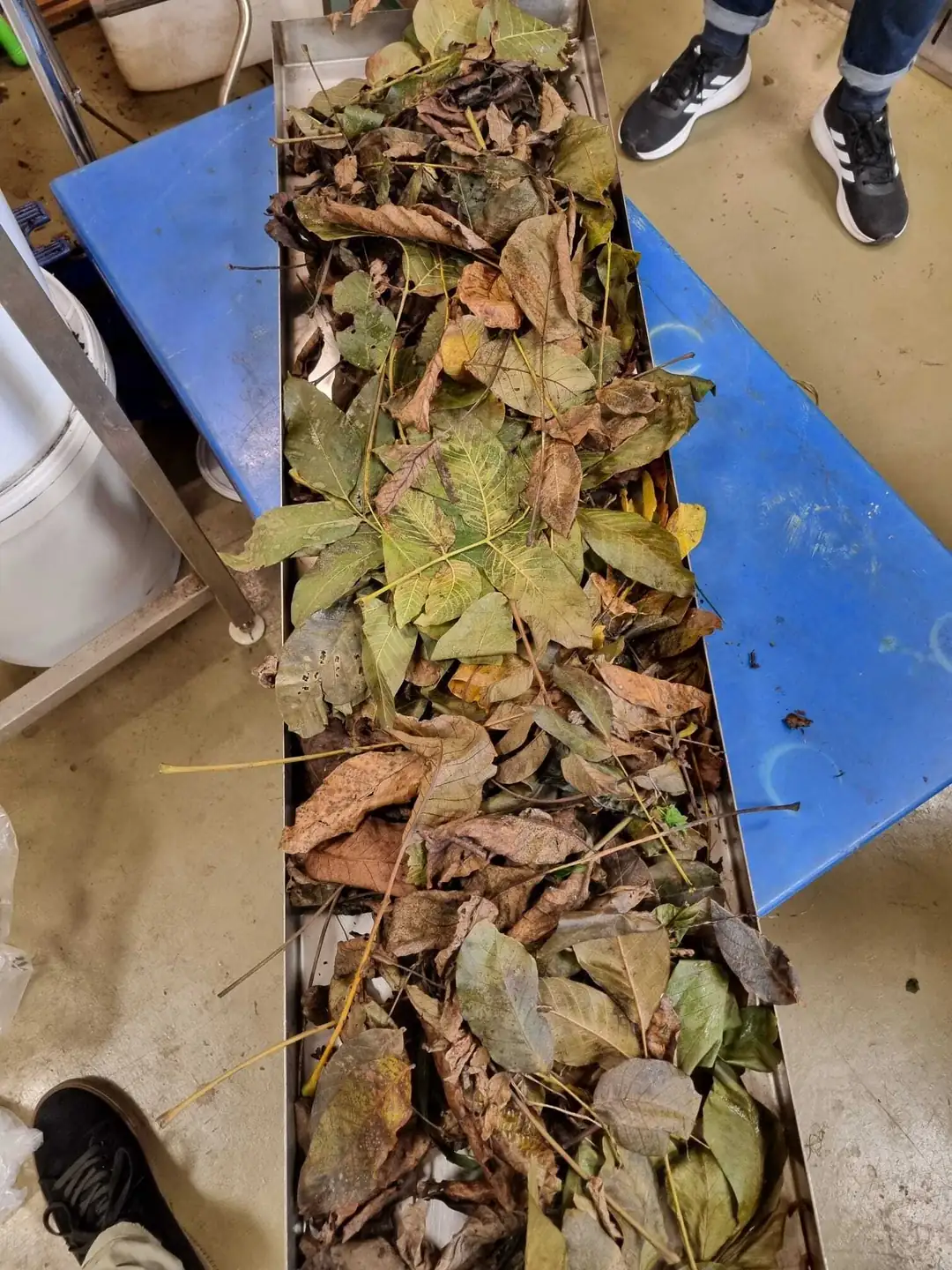
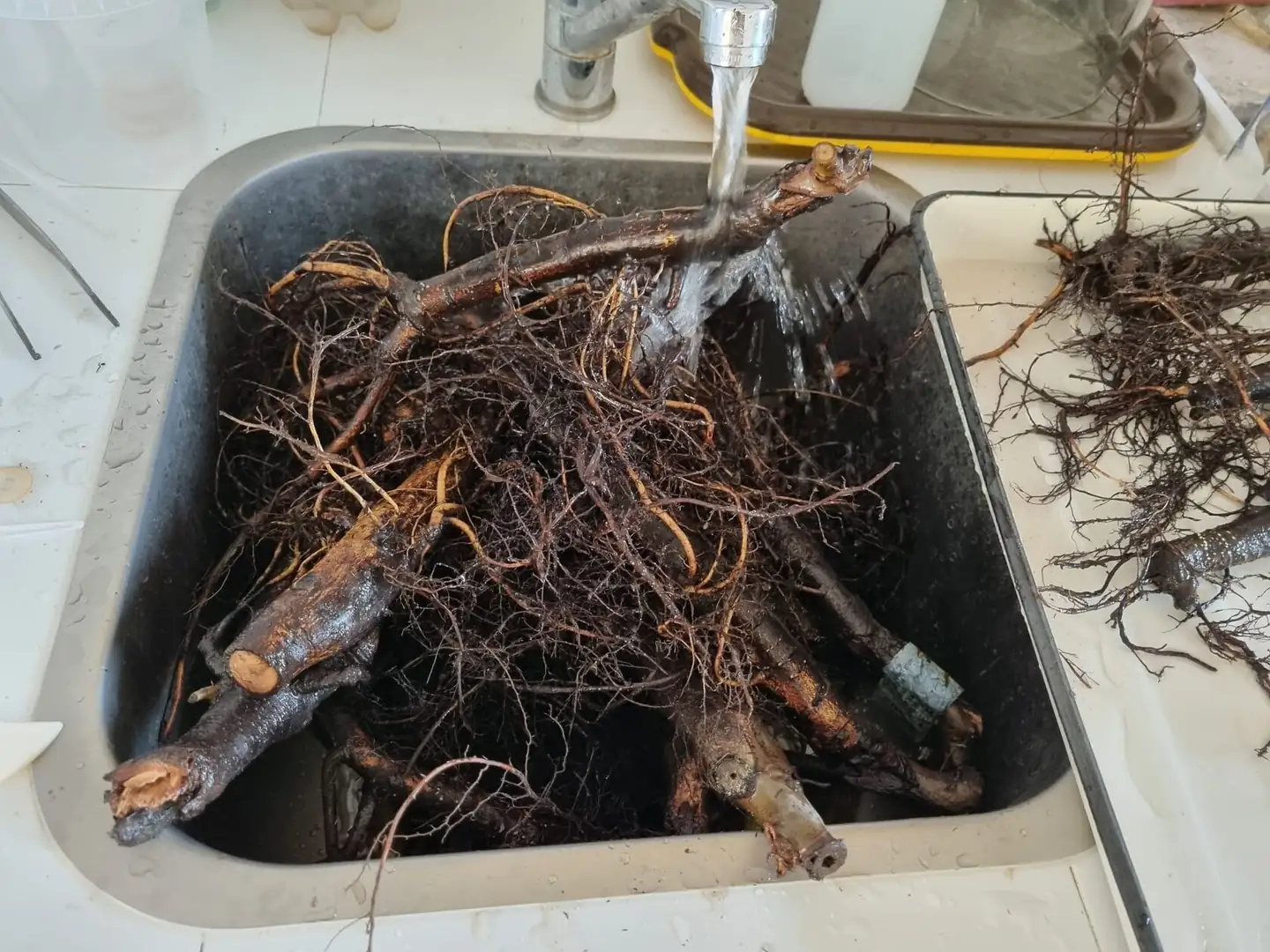
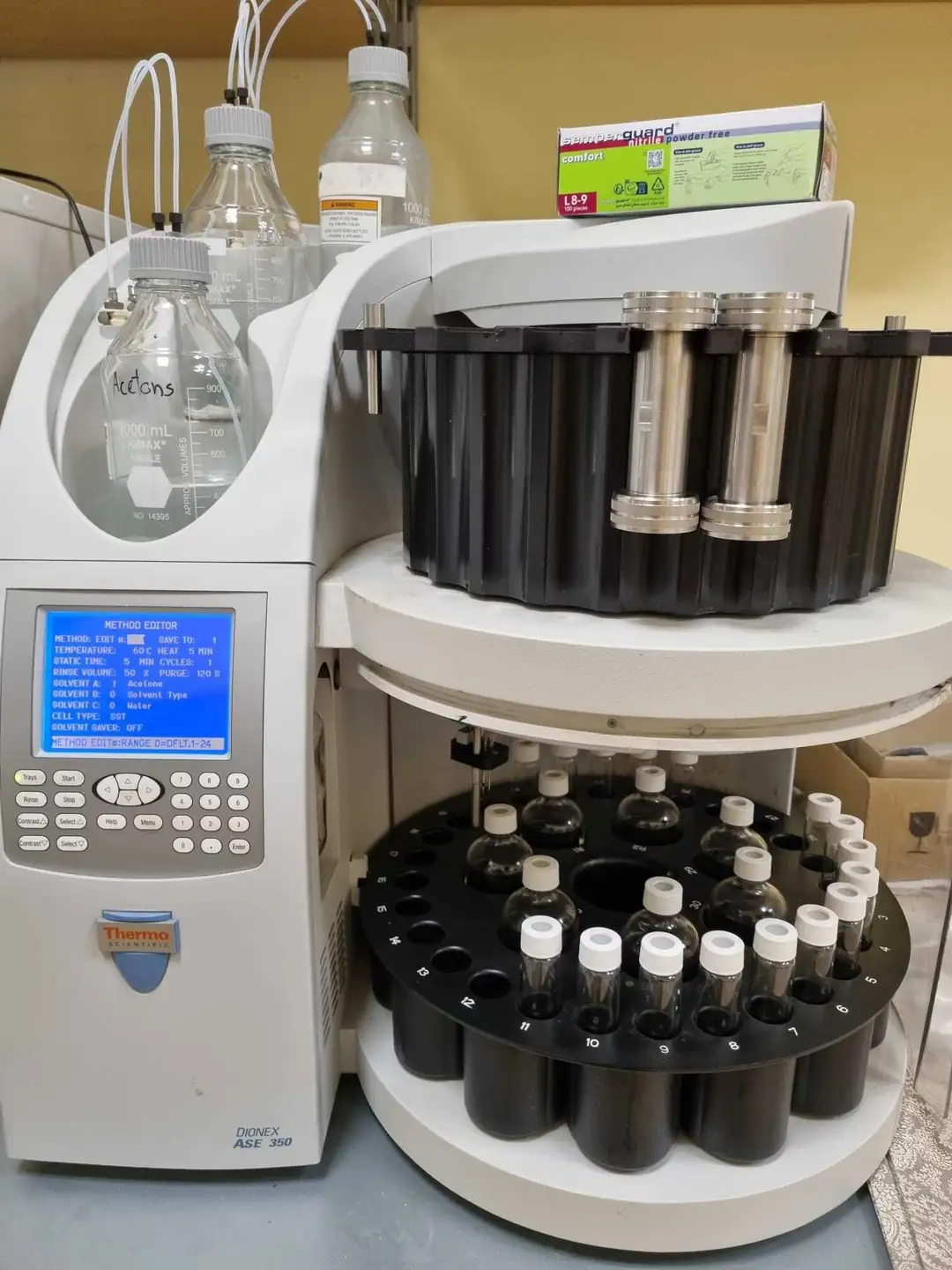
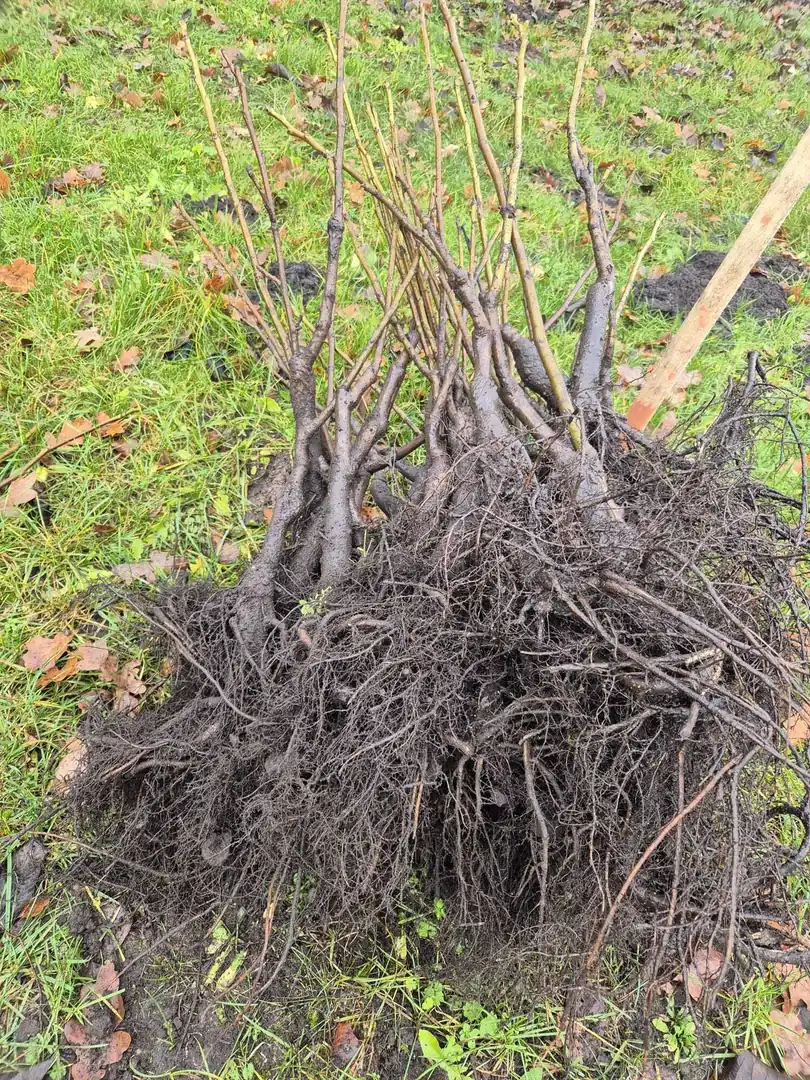
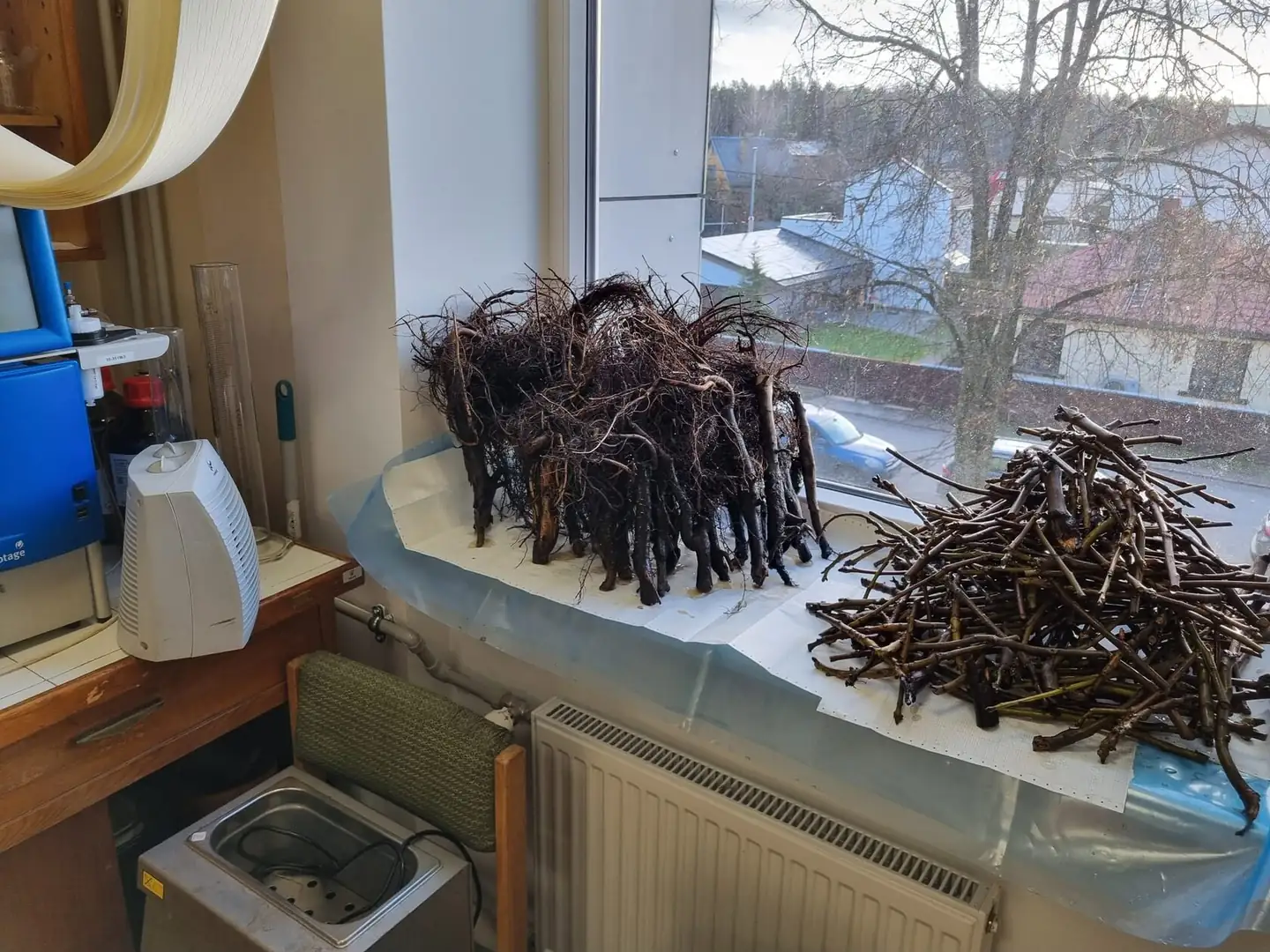
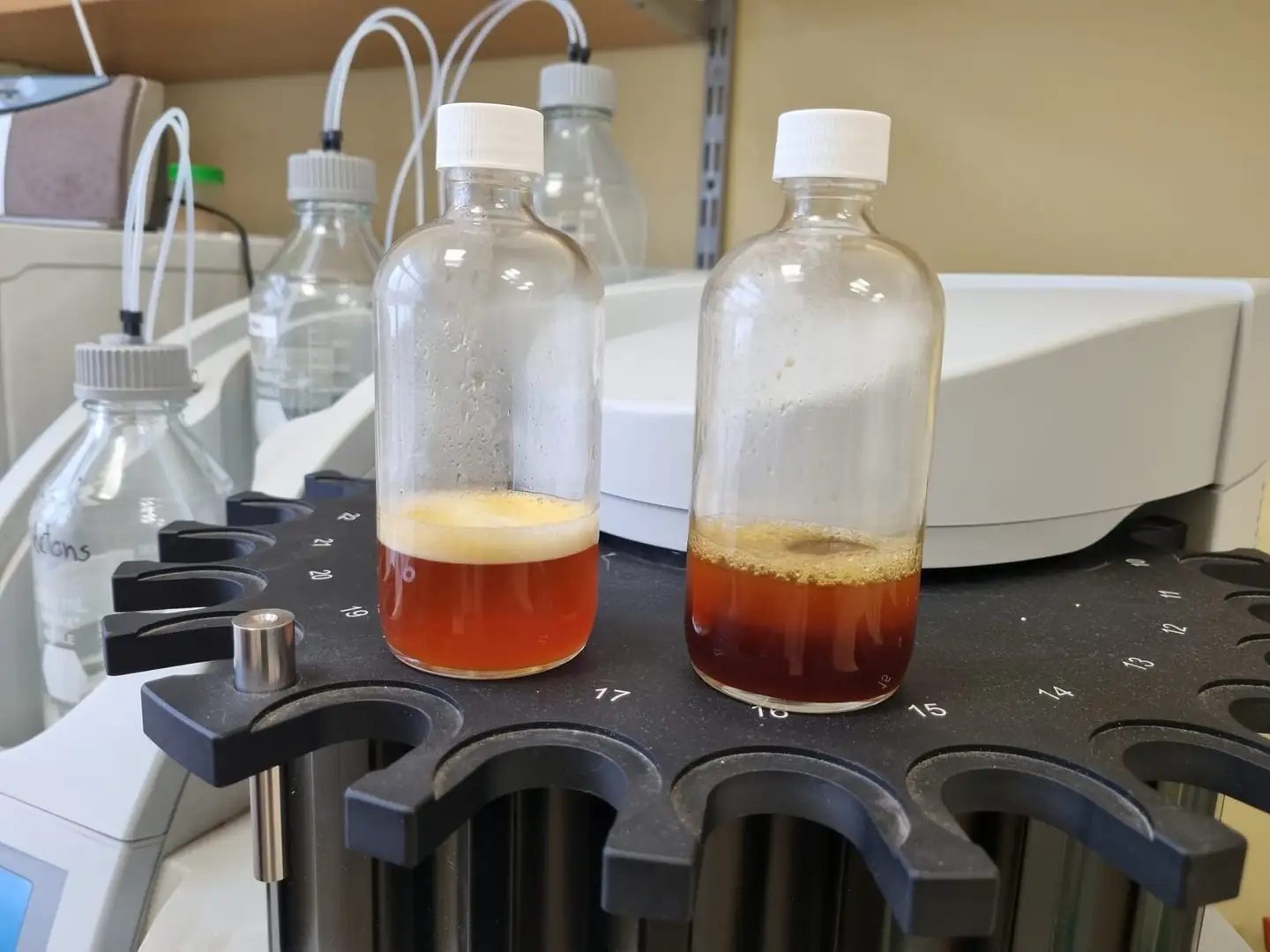
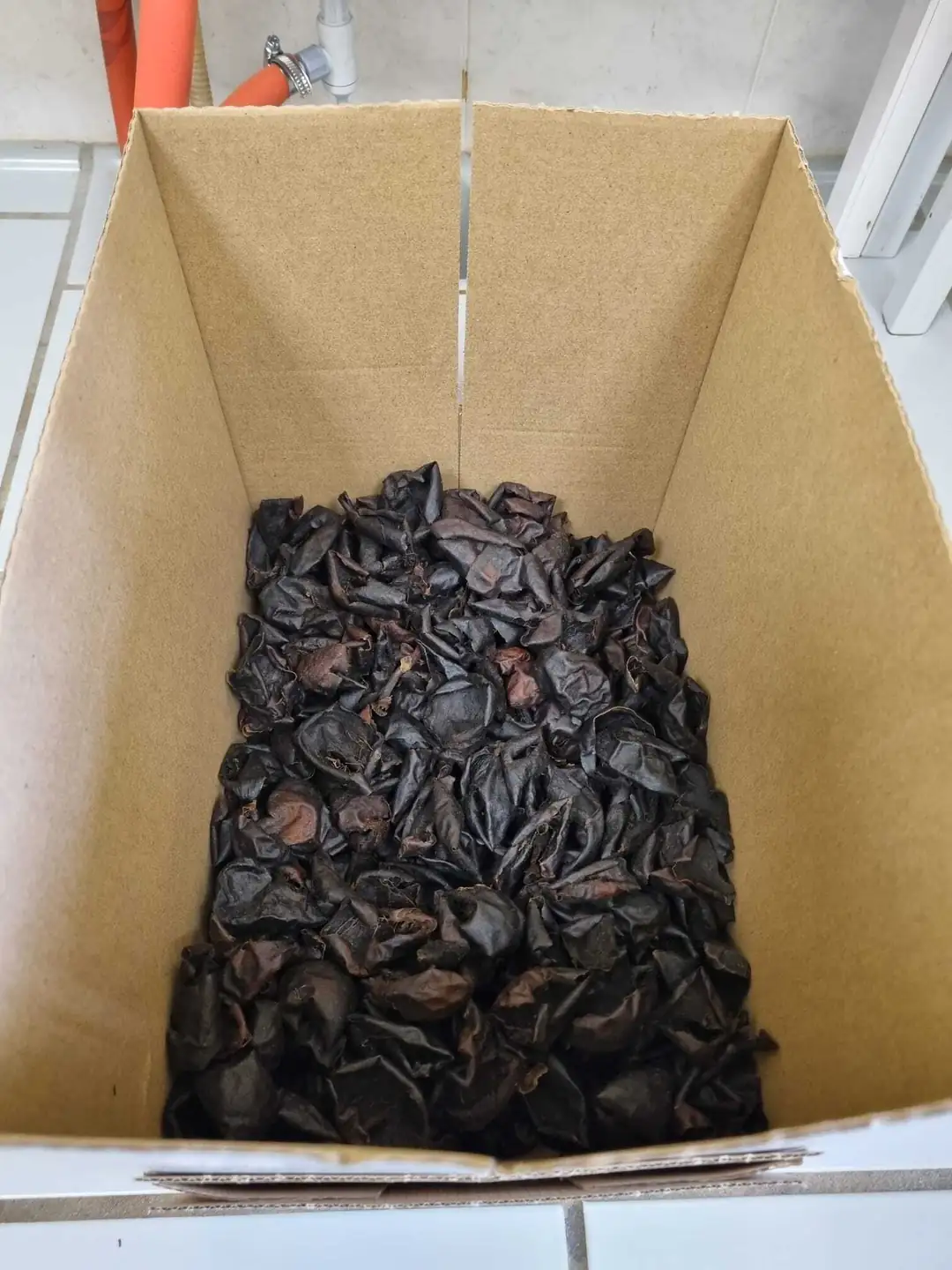
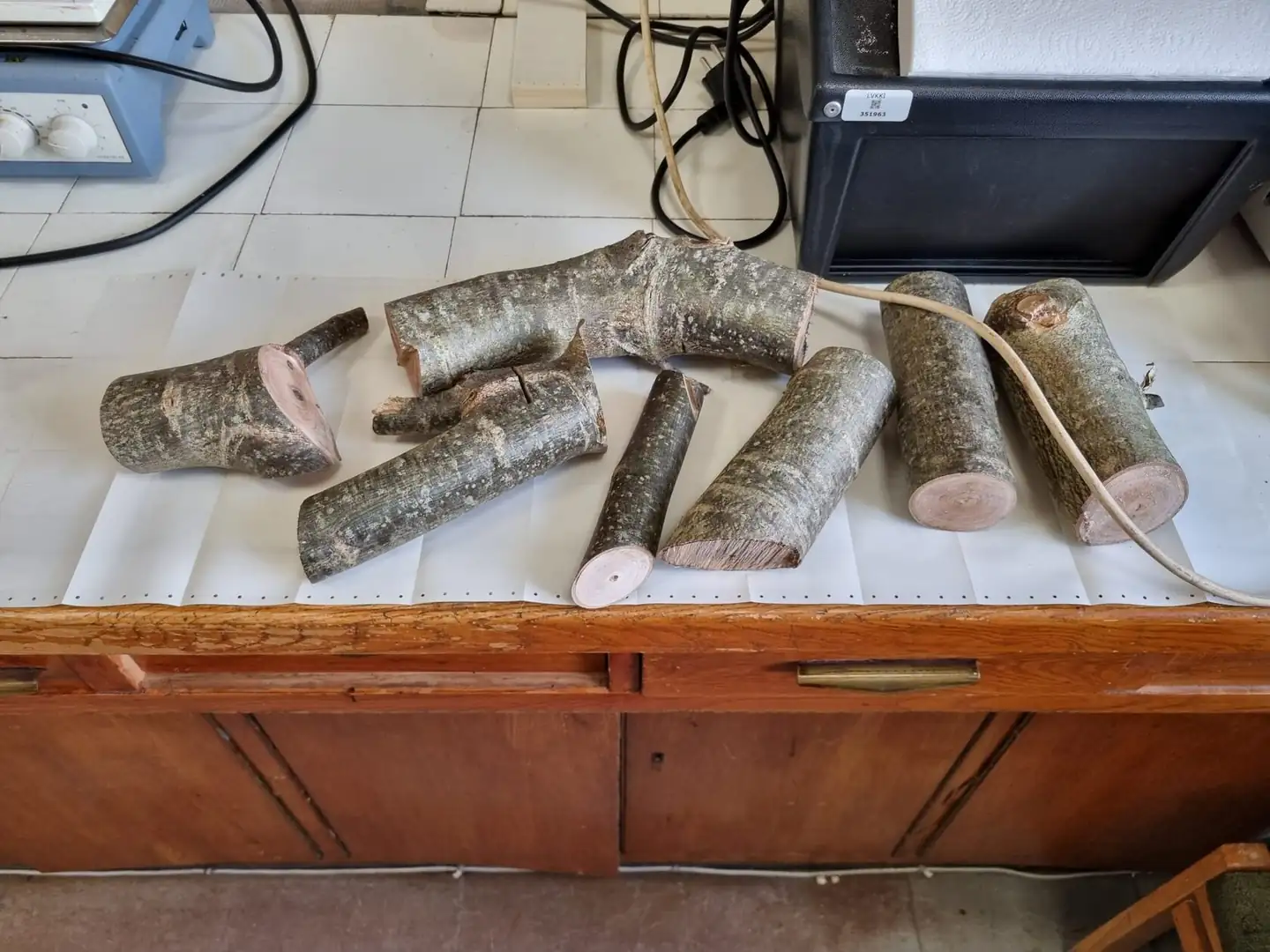
The first results of the project show that walnut biomass waste (leaves, shells, branches) grown in Latvia contains juglone and similar compounds, which are promising as natural herbicides.
The project plans to immobilize these compounds in a biopolymer matrix and test the developed mulch film in vegetable cultivation.
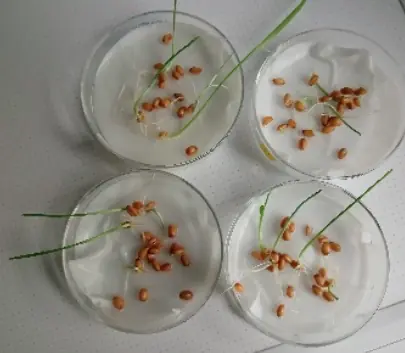
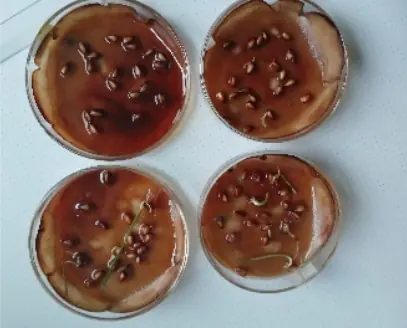
Photo materials are provided by the Latvian State Institute of Wood Chemistry
Thank you for your cooperation and valuable contribution to the preparation of the material
Project Details
- Project Level
- National, supported by European Structural Funds
- Program or Project Type
- European Agricultural Fund for Rural Development (LAD ELFLA)
- Project Number
- № 24-00-C0LA1601-000012
- Implementation Period
- October 1, 2024 — September 30, 2027
Project Partners and Lead Institutions
Project Title (English):
Developing a biodegradable sprayable mulch incorporating walnut husk extracts enriched in allelochemicals for sustainable weed control in agriculture
Lead Partner:
Latvian State Institute of Wood Chemistry (APP)

- inga.jansone@arei.lv
- Phone
- +371 26360266
- Address
- Zinātnes Street 2, Priekuļi Parish, Cēsis Municipality, LV-4126
Funding
The total eligible project cost is € 298,686.92, with a public funding intensity of 90%, amounting to € 268,818.22.
The Latvian State Institute of Wood Chemistry and collaborating partners will co-finance 10% of the project costs from their own resources.